
How much does a West Palm Beach personal injury lawyer cost? Contingency fees explained
Personal injury lawyers in West Palm Beach typically work on a contingency fee, a percentage of the recovery set out in a written contract. Rule 4-1.5(f)(4)(B) of the Rules Regulating The Florida Bar presumes a fee excessive, absent court approval, if it exceeds 33 1/3 percent of the first $1 million recovered before an answer is filed or arbitration is demanded, or 40 percent of the first $1 million after that point through judgment, with lower percentages on larger amounts. The client may cancel the contract within 3 business days of signing, and case costs are handled separately under the contract's terms.
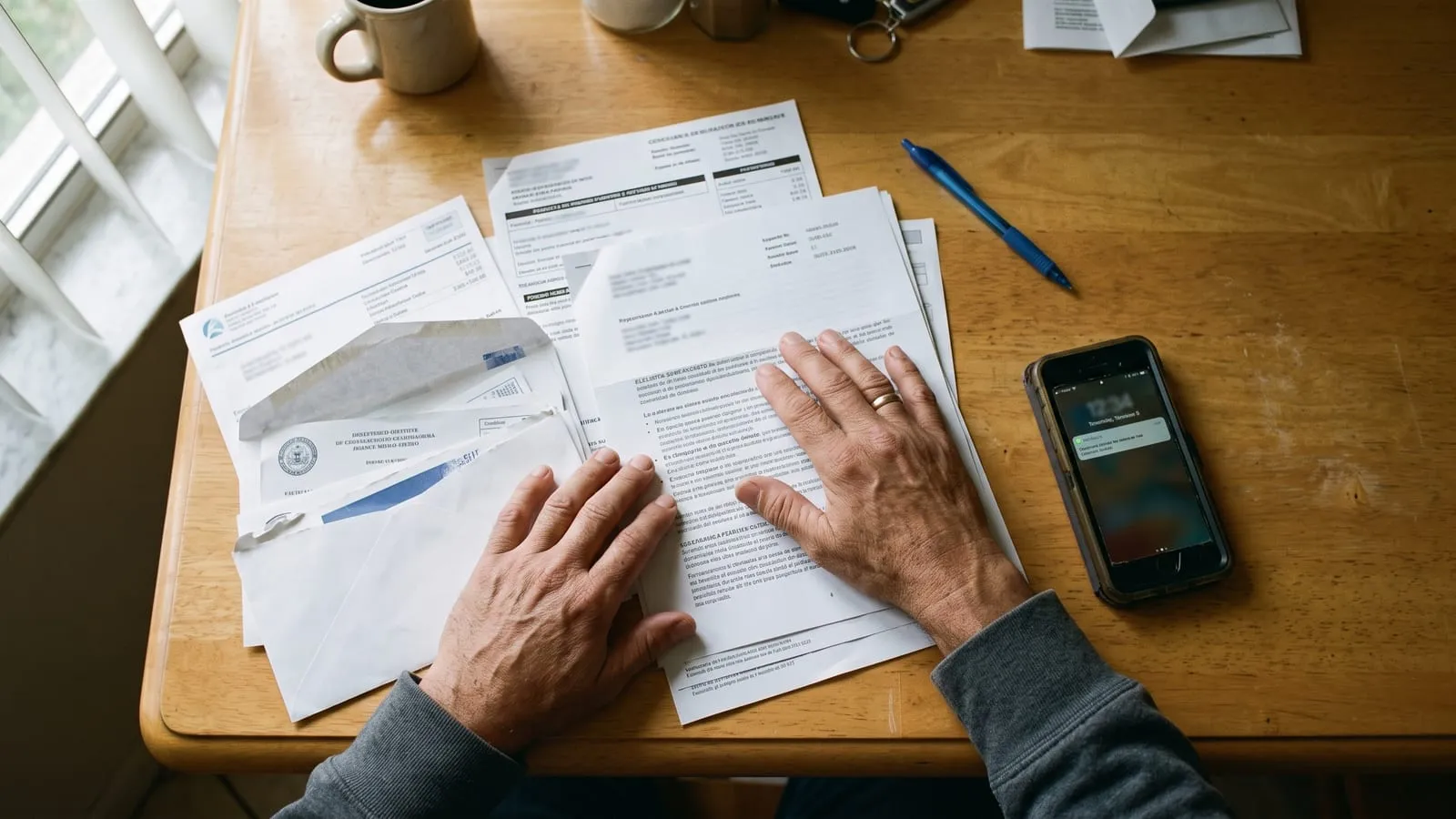
People hurt in a crash or a fall often put off calling a lawyer because they assume they cannot afford one. They picture hourly bills and a retainer check. Injury cases in Florida almost never work that way. They are usually handled on a contingency fee, and the Florida Bar regulates those agreements in unusual detail. Knowing how the rules work makes it much easier to read a fee contract and ask the right questions.
What is a contingency fee, in plain terms?
It is a fee calculated as a percentage of whatever money is recovered for you, by settlement or by verdict. You do not pay the lawyer by the hour, and you do not write a check up front. The percentage, and how it may change as the case moves forward, is written into a contract that you sign before the work begins.
In Florida, these contracts must be in writing and signed by both the client and the lawyer, and in personal injury cases they must follow Rule 4-1.5(f) of the Rules Regulating The Florida Bar. That rule exists to protect clients, and it is more specific than the fee rules in most other states.
What percentages does the Florida Bar allow?
Rule 4-1.5(f)(4)(B)(i) sets a schedule. A contingent fee above these figures is presumed clearly excessive unless a judge approves it in advance.
| Stage of the case | First $1 million | $1 million to $2 million | Above $2 million |
|---|---|---|---|
| Before an answer is filed or arbitration is demanded (or the time to do so expires) | 33 1/3% | 30% | 20% |
| After that, through entry of judgment | 40% | 30% | 20% |
| If all defendants admit liability in their answers and request a trial only on damages | 33 1/3% | 20% | 15% |
| Appeal or post-judgment relief | An additional 5% of any recovery after the appeal or post-judgment proceeding begins |
These are maximums, not required rates. The step from 33 1/3 percent to 40 percent happens when the defendant files an answer to a lawsuit, which is a sign that the case has moved into litigation, with depositions, motions and trial preparation. Ask any lawyer you meet exactly which event in your contract triggers a higher percentage.
Some cases have their own limits. In a claim against a government entity, such as Palm Beach County, Palm Tran or the City of West Palm Beach, Fla. Stat. § 768.28(8) caps attorney fees at 25 percent of any judgment or settlement. Medical malpractice cases are subject to a separate limit in the Florida Constitution.
What protections come with the contract?
Before you sign a contingent fee contract in a personal injury case, the lawyer must give you a document called the Statement of Client’s Rights and give you a chance to read it and ask questions (Rule 4-1.5(f)(4)(C)). It explains, among other things, that you can ask about the lawyer’s experience, that you are entitled to a written closing statement at the end showing where every dollar went, and that you control the decision to settle.
The contract must also say that you may cancel it by written notice within 3 business days of signing, for any reason, without owing a fee. If you change your mind after that, you can still change lawyers, though the first lawyer may claim payment for work already done.
What about case costs?
Costs are different from the fee. They are the money spent to build the case: court filing fees, service of process, medical records, deposition transcripts, accident reconstruction, and the charges of physicians, engineers and other professionals who review the case or testify. In a contested truck or rail case, costs can be significant.
A Florida fee contract has to explain how costs are handled, including whether they are deducted from the recovery before or after the percentage is calculated, since that changes how much you receive. At Wolfson & Leon, the firm advances case costs, so clients are not asked to pay them as the case goes along, and the contract spells out how they are handled at the end.
Where does the money go when a case settles?
At the end, the lawyer prepares a written closing statement that you review and sign before any money is disbursed. It typically lists, in order:
- the gross recovery
- the attorney’s fee, calculated as the contract specifies
- case costs advanced by the firm
- payments owed to medical providers, health insurers, Medicare or Medicaid, or others with a lien or right of reimbursement
- the net amount paid to you
Medical liens are often negotiated near the end of a case, and that work can make a real difference in the net amount. It is fair to ask a lawyer at the start how they approach it.
What should I ask before signing?
Bring these questions to any consultation:
- What percentage applies now, and what exact event would raise it?
- Is the fee calculated before or after costs are deducted?
- Who pays costs as the case goes on, and what happens to them if there is no recovery?
- Who will actually handle my case day to day, and how will you keep me updated?
- Can I have the Statement of Client’s Rights and the contract in Spanish if I need it?
Any lawyer who wants your case should be comfortable answering all of them in writing.
Meet with us in West Palm Beach
Wolfson & Leon has represented injured people since 1963. Our West Palm Beach office meets clients by appointment; call 561-782-1585 to schedule a free consultation in English or Spanish. We will walk you through our contingency fee agreement line by line before you decide anything, explain the percentage in writing, and answer every question about costs.
Key facts
- Without court approval, contingent fees in personal injury cases above the schedule in Rule 4-1.5(f)(4)(B)(i) are presumed clearly excessive. Source: Rule 4-1.5(f)(4)(B)(i), Rules Regulating The Florida Bar
- Schedule: 33 1/3% of the first $1 million before an answer or demand for arbitration; 40% of the first $1 million after that through judgment; 30% of $1–2 million; 20% over $2 million; an additional 5% for appellate or post-judgment proceedings. Source: Rule 4-1.5(f)(4)(B)(i)a.–d.
- A contingent fee contract in these cases must state that the client may cancel it by written notice within 3 business days of signing, and the client must receive the Statement of Client's Rights. Source: Rule 4-1.5(f)(4)(A)–(C)
- In claims against Florida government entities, attorney fees may not exceed 25 percent of any judgment or settlement. Source: Fla. Stat. § 768.28(8)
Frequently asked questions
Do I pay anything at the first meeting?
No. Wolfson & Leon's consultations are free, in English or Spanish. If you decide to hire the firm, the fee is a contingency percentage written into the contract, and the firm advances the costs of the case.
What is the difference between the attorney's fee and case costs?
The fee is the lawyer's percentage for the work. Costs are out-of-pocket expenses for the case, such as filing fees, medical records, depositions and the charges of physicians or engineers who testify. The contract must explain how costs are handled and whether they are deducted before or after the fee is calculated.
Can I change my mind after signing?
Yes. Under Rule 4-1.5(f)(4), you may cancel a contingent fee contract in a personal injury case by written notice within 3 business days of signing, without any obligation to pay a fee. After that, you can still change lawyers, though the first lawyer may be entitled to be paid for work already done.
This article describes Florida law in general terms for people in Palm Beach County. It is not legal advice about your situation, and reading it or contacting us does not create an attorney-client relationship with Wolfson & Leon. Results in past cases do not predict or promise the result in any other case.
Also available in: Versión en español
 Personal injury
Florida's 51% rule: modified comparative negligence explained with Palm Beach County examples
For negligence lawsuits filed after March 24, 2023, Florida uses modified comparative negligence: an injured person's damages are reduced by their…
Personal injury Florida's two-year deadline for injury lawsuits after HB 837: what Palm Beach County residents need to know
For injuries caused by negligence on or after March 24, 2023, Florida generally allows two years from the date of the injury to file a lawsuit (Fla.…
Personal injury Brightline and rail-crossing crashes in Palm Beach County: what injured drivers and pedestrians should know
Yes, a person hurt at a rail crossing can bring a negligence claim against a railroad, a crossing owner or a driver whose carelessness caused the…